
Some injectables create volume on the spot. Sculptra works on a slower timeline. It's ideal for Chicago patients who want gradual facial rejuvenation, improved skin texture, and support that develops over time.
At Kapadia Plastic Surgery, Dr. Sameer Kapadia takes a structural view of facial aging. Volume loss, changes in the skin’s structure, collagen depletion, and shifting facial balance are assessed together. For the right patient, a Sculptra treatment can help restore facial volume, soften facial wrinkles, and encourage natural-looking results.

Sculptra is an FDA-approved injectable made with poly-L-lactic acid (also known as L-lactic acid or PLLA) that stimulates collagen production over time. It is used as a cosmetic procedure to restore lost volume, soften deep folds, and improve skin quality gradually instead of creating immediate fullness in a single visit.
Sculptra is often grouped with fillers, but it behaves a bit differently from hyaluronic acid products. Traditional fillers add volume directly where they are injected. Sculptra works by encouraging new collagen formation through the body’s response to poly-L-lactic acid. Instead of instant correction, the treated tissue gradually becomes better supported as the skin begins to produce collagen.
Sculptra At A Glance
Patients who choose Sculptra treatments want a softer change. They are less interested in instant fullness and more interested in collagen support, better skin, and a result that reads as polished and natural.
Sculptra is used for facial aging that shows up as deflation, thinning, and loss of support. It performs well when the concern is broader collagen loss across a region of the face, rather than a very small detail on the surface.
Common cosmetic applications include:
At Kapadia Plastic Surgery, treatment begins with a close look at the pattern of aging, the role of fat tissue loss, and whether collagen stimulation is the best tool for your treatment goals.

Sculptra works by placing poly-L-lactic acid into the deeper layers of tissue, where it triggers a gradual collagen response. The product itself does not serve as a permanent implant or an instant cushion. It acts as a stimulant, and the body responds by building new collagen over time.
This is how Sculptra is different from other fillers. The fullness you see right after Sculptra injections usually comes from swelling and the sterile water used to prepare the product, which will fade. The visible change comes later as the skin begins to rebuild support and collagen production is stimulated in the treated areas.
Because Sculptra relies on collagen production, technique is important. Dilution, injection depth, placement pattern, and aftercare all shape how evenly the product settles and how smooth the final result appears.
Sculptra offers a different benefit profile than many injectables. Instead of simply filling space, it encourages the face to rebuild support gradually through collagen remodeling.
Benefits of Sculptra treatment may include:
For many patients, the appeal is looking more supported, smoother, and more rested without losing what looks familiar in the mirror.
Good candidates for Sculptra treatment usually have mild to moderate facial volume loss, thinning skin, or a gradual loss of support through the cheeks and lower face. The best fit is a patient who wants improvement that builds over time rather than an immediate correction.
Good Candidates
You may be a good candidate if you:
Who Is Not A Good Fit
Sculptra may be the wrong fit for patients who:
If your main concern is movement-related wrinkles, Botox may be more useful. If you want immediate contour in specific areas, traditional fillers may make more sense. If facial laxity is more advanced, surgery or another cosmetic procedure may be right for you.
Preparation is simple, but a few steps can make your initial treatment easier.
Sculptra treatments are usually efficient and well-tolerated. Photos are taken, the face is assessed at rest and in motion, and the injection plan is mapped with attention to support, proportion, and safe placement.
A typical appointment includes:
Most patients describe the sensation as pressure, pinching, or mild stinging. The product is carefully injected into selected points based on facial anatomy and the amount of support being rebuilt. Treatment usually takes about 30 to 60 minutes, depending on the number of specific areas being addressed.

Recovery after Sculptra is usually light. Most patients return to normal routines quickly, though mild swelling, tenderness, redness, and bruising can occur.
Mild puffiness and soreness are common right after treatment. Some patients also look temporarily fuller because of the water used to prepare the product. That fullness is not your final result.
Many patients feel comfortable returning to work, meetings, or errands quickly. Bruising varies from person to person, so timing still matters if you have photographs, events, or presentations coming up.
For the first day or two, skip strenuous exercise, saunas, and heavy heat exposure. Keep skincare gentle while the injection sites settle. Sun protection is important, especially if bruising develops. Makeup is usually fine once the surface of the skin is intact and no longer irritated.
Massage is part of standard aftercare for many Sculptra injections. Patients should follow the 5-5-5 rule: massage the treated areas for 5 minutes, 5 times a day, for 5 days. This supports even product distribution while the tissue settles.
Most patients can resume daily activities immediately, though it is still wise to keep the first 24 to 48 hours uncomplicated.
Sculptra results develop gradually. That slower timeline is one of the main differences between Sculptra and traditional fillers.
Because Sculptra stimulates collagen production, the best results do not appear all at once.
Sculptra results can last up to 2 years. In some patients, the effect lasts longer depending on the amount of product used, the area treated, and the body’s collagen response.
The change usually fades gradually rather than disappearing all at once. For patients focused on a youthful-looking appearance that still reads as believable, that longer runway is part of the appeal.
Most patients need a series rather than a single session. The number of appointments depends on how much facial volume needs to be rebuilt, how many areas are being treated, and how much correction is needed to reach your desired results.
A lighter refresh may require fewer vials. More advanced volume loss calls for more staging. Consultation is where Dr. Kapadia builds a treatment plan based on your anatomy, your pattern of aging, and your long-term goals.
Sculptra and traditional dermal fillers are often compared because both can address volume loss, but they do it in different ways.
Traditional fillers create immediate volume and sharper contour. Sculptra works more gradually by stimulating collagen. Filler may be better for lips or very precise contouring. Sculptra is often better for broader facial deflation and softer restoration.
Botox treats wrinkles caused by muscle movement. Sculptra treats volume loss and collagen depletion. One reduces motion. The other rebuilds support.
Sculptra can improve early hollowing, wrinkles, and soft tissue thinning, but it does not replace surgery when laxity is more advanced. If tissue descent is the main concern, a surgical procedure may create a more complete result.
Yes. Sculptra is often used as part of a layered rejuvenation plan.
It can be combined with:
The goal is to match the right treatment to the right concern and build a plan that works.

Dr. Sameer Kapadia is certified by the American Board of Plastic Surgery and the American Board of Surgery. That background shapes how facial rejuvenation is approached at Kapadia Plastic Surgery. Volume loss, aging, skin quality, and structure are assessed with a surgeon’s understanding of anatomy and balance.
For patients seeking Sculptra Chicago treatment, that perspective supports a more disciplined plan. The focus stays on safety, proportion, and natural-looking results rather than quick volume for its own sake.

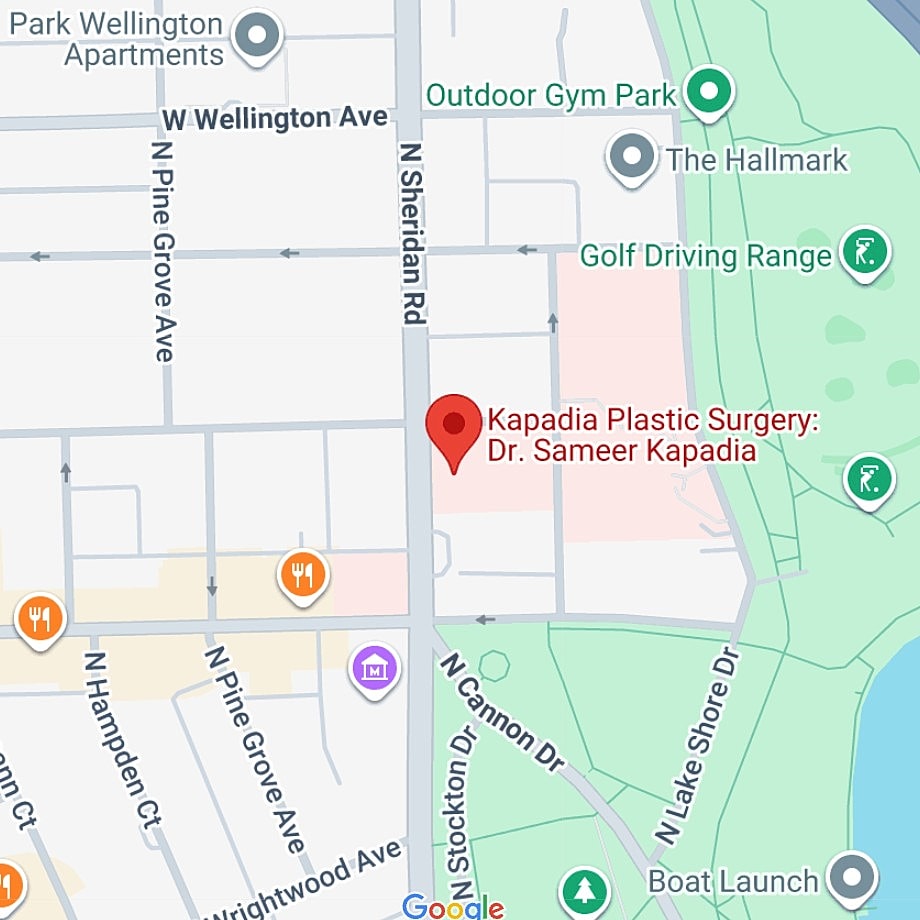
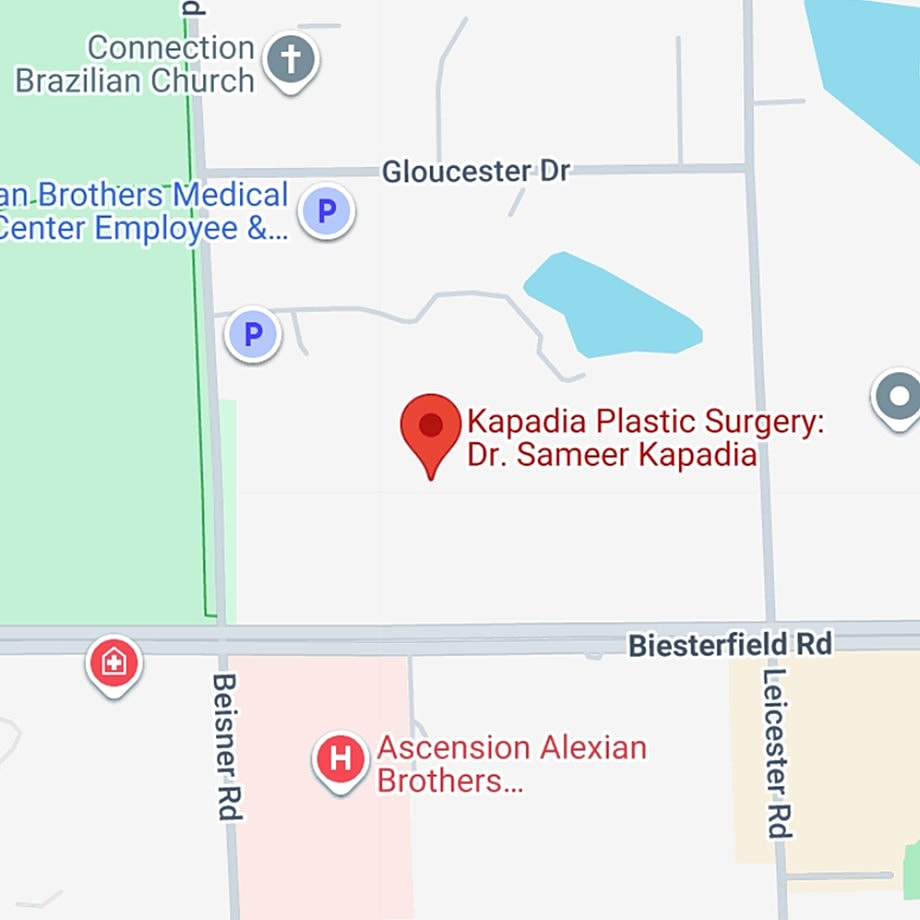
If you are considering Sculptra in Chicago, Dr. Sameer Kapadia can evaluate your facial anatomy, volume loss, and treatment goals during a private consultation. Your visit is the time to determine whether Sculptra is the right fit, how many sessions may be needed, and how your treatment plan can be tailored for smooth, natural-looking results.
Yes. Sculptra Aesthetic is FDA-approved for specific cosmetic uses, including correction of facial wrinkles and volume loss in appropriate patients.
Sculptra contains poly-L-lactic acid, which triggers the body’s healing response in a controlled way. Over time, that process helps the skin produce new collagen.
You may look temporarily fuller right after treatment, but the true collagen-driven improvement develops gradually over several weeks to months.
Yes, especially when those folds are related to declining facial support and lost volume. Sculptra can soften nasolabial folds and marionette lines by improving the structure around them.
Sculptra is typically priced by the vial, so your cost depends on how many vials are needed, which areas are being treated, and whether your plan is staged over multiple visits. Dr. Kapadia will outline pricing during your consultation after assessing your anatomy and treatment goals.
Downtime is usually low. Most patients resume daily activities quickly, though swelling, tenderness, bruising, and redness can happen.
No. Sculptra is different from hyaluronic acid fillers and cannot be dissolved in the same way.
That depends on your facial anatomy, the amount of volume loss, your treatment goals, and how much support needs to be rebuilt. Dr. Kapadia will estimate this during your consultation.